
A flow meter is an essential measuring device used to monitor the flow rate, total volume, and flow velocity of liquids and gases in pipelines. Widely applied in household water monitoring, garden irrigation, plumbing maintenance, industrial manufacturing, chemical engineering, and agricultural production, a high-quality flow meter ensures accurate fluid data recording and stable pipeline operation. Many buyers end up with inaccurate readings, frequent device failures, or unnecessary budget waste due to improper model selection. This professional yet easy-to-understand flow meter buying guide covers mainstream product types, practical application scenarios, step-by-step installation and usage methods, core purchasing parameters, and common buying pitfalls, helping you pick the most suitable flow meter for your specific needs.
Common Flow Meter Types & Practical Application Scenarios
Different flow meter models feature unique working principles, structural advantages, and applicable environments. Matching the device to your usage scenario is the primary principle of correct selection. Below are the five most mainstream flow meters and their targeted application ranges for civilian and industrial users.
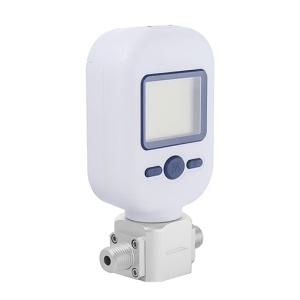
Digital Water Flow Meter
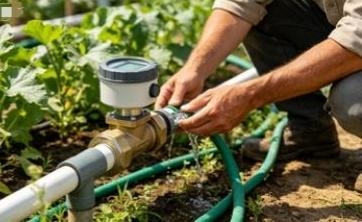
Digital water flow meters are the most popular civilian-grade devices, featuring intuitive digital display, simple installation, and affordable pricing. They are specially designed for clean water measurement and ideal for household water consumption statistics, residential pipeline monitoring, garden irrigation systems, and small-diameter domestic water pipelines. With lightweight designs and basic waterproof performance, they fully meet daily low-pressure water flow monitoring needs for families and individual users.
Turbine Flow Meter
Turbine flow meters adopt turbine rotation induction technology, delivering high measurement accuracy and stable performance. They are suitable for measuring clean, low-viscosity fluids such as pure water, diesel, gasoline, and edible oil. Common application scenarios include industrial fuel monitoring, food and beverage fluid detection, small and medium-sized factory pipeline flow statistics, and commercial water supply metering. They strike a perfect balance between cost performance and precision, suitable for semi-professional and light industrial scenarios.
Ultrasonic Flow Meter
Ultrasonic flow meters utilize ultrasonic wave induction for non-contact measurement, requiring no pipeline cutting or fluid contact. This non-destructive measurement feature makes them ideal for large-diameter pipelines, high-pressure sealed pipelines, and scenarios requiring no pipeline damage. They are widely used in municipal water supply engineering, large industrial pipeline monitoring, sewage treatment projects, and hydraulic engineering detection, adapting to various clean and slightly turbid water environments.
Magnetic Flow Meter
Magnetic flow meters rely on electromagnetic induction principles and are exclusively used for measuring conductive liquids. They feature strong anti-interference ability, high precision, and good corrosion resistance, perfectly adapting to harsh industrial environments. Main application scenarios include chemical sewage detection, industrial wastewater treatment, metallurgical fluid monitoring, slurry and corrosive liquid measurement, and large-scale industrial fluid metering. They are the preferred professional device for complex industrial working conditions.
Mechanical Flow Meter
Mechanical flow meters adopt traditional mechanical rotation structures, with low prices and ultra-high durability. Without electronic components, they are not affected by signal interference and are suitable for rough use scenarios. They are commonly used for rural irrigation pipelines, ordinary domestic water metering, and low-precision industrial auxiliary flow monitoring. Although lacking digital display functions, they are cost-effective for users with basic flow statistics needs.
How to Install & Use a Flow Meter Correctly (Step-by-Step Guide)
Even high-precision flow meters will produce large measurement errors or shorten service life due to incorrect installation and operation. The following universal step-by-step operation guidelines apply to most civilian and industrial conventional flow meters, suitable for novice DIY users and professional maintenance personnel.
Step 1: Pre-installation Preparation. Confirm the pipeline diameter matches the flow meter specification to avoid installation mismatch. Check the device integrity, ensure no damage to the probe, turbine or shell, and prepare matching connecting pipes, sealing gaskets and installation tools. Close the pipeline valve and drain residual fluid to ensure a safe installation environment.
Step 2: Standard Installation. Install the flow meter according to the marked fluid flow direction, avoiding reverse installation. Reserve straight pipe sections at the front and rear of the device as required to prevent turbulent flow from affecting measurement accuracy. Fix the device firmly and install sealing gaskets tightly to avoid fluid leakage caused by loose joints.
Step 3: Pre-use Calibration & Inspection. After installation, open the pipeline valve slowly to check for liquid or gas leakage. For digital and intelligent flow meters, power on the device and complete self-inspection and zero calibration. Confirm the display screen works normally and the sensor responds sensitively.
Step 4: Formal Measurement & Data Recording. Keep the pipeline fluid flowing stably, avoid sudden pressure surges. Wait 3-5 minutes for the device data to stabilize before recording flow rate and total flow data. For long-term monitoring scenarios, regularly check data changes to ensure continuous and stable operation.
Step 5: Daily Maintenance & Storage. Regularly clean the sensor, turbine and pipeline interior to prevent sediment, impurities and scale from blocking the device and affecting accuracy. For long-term unused devices, drain internal residual fluid to avoid freezing and corrosion. Check sealing parts regularly and replace aging gaskets in time.
Core Buying Factors & Professional Selection Criteria
To select a cost-effective and suitable flow meter, users must focus on 7 core parameters and match configurations according to fluid type, usage environment and budget, avoiding blind pursuit of high configuration or low-price inferior products.
Adaptable Fluid Medium
Fluid medium is the primary selection basis. Digital and turbine flow meters are suitable for clean water, oil and other low-viscosity pure fluids. Magnetic flow meters must be used for conductive liquids such as sewage and chemical solutions. Ultrasonic flow meters adapt to most water environments. Mechanical flow meters are only suitable for conventional clean water scenarios. Wrong medium matching will directly lead to inaccurate measurement or device damage.
Pipeline Size & Flow Range
Match the flow meter caliber according to the actual pipeline diameter to ensure seamless installation. The flow range needs to cover the daily fluid flow volume: household small pipelines only need a low flow range, while industrial large pipelines and irrigation projects require a wide-range flow meter to avoid data overflow or unmeasurable low flow.
Measurement Accuracy
Household daily monitoring allows a low accuracy error, and ordinary digital flow meters can meet demand. Commercial metering and light industrial detection require medium-high precision devices. Industrial precise metering, chemical experiment and engineering acceptance must adopt high-precision flow meters with tiny errors to ensure data authenticity and usability.
Environmental Resistance (Waterproof, Corrosion & Pressure Resistance)
Indoor dry environments can choose ordinary protective devices. Outdoor open-air, humid and rainy environments require IP65 and above waterproof grade flow meters. Chemical and sewage scenarios need corrosion-resistant shell and sensor materials. High-pressure industrial pipelines must select high-pressure resistant models to prevent device rupture and fluid leakage.
Installation Difficulty
Household DIY users and non-professional personnel should choose plug-and-play easy-install digital flow meters with simple operation. Fixed industrial professional monitoring can select high-precision devices requiring professional installation, prioritizing measurement stability over installation difficulty.
Intelligent Function & Data Recording
Ordinary household users only need real-time digital display functions without redundant data storage. Commercial billing and industrial monitoring scenarios require devices with automatic data recording, data storage and data export functions to facilitate later data sorting and statistical analysis.
Budget Matching
Entry-level budget (Under $15): Basic mechanical and ordinary digital flow meters for household water monitoring and small irrigation.
Mid-range budget ($15–$60): High-precision digital and turbine flow meters for commercial plumbing, light industrial detection and daily metering.
High-end budget (Above $60): Ultrasonic and magnetic professional flow meters for industrial engineering, chemical sewage and large-scale pipeline monitoring.
Common Flow Meter Buying Mistakes to Avoid
Most purchasing and usage problems stem from blind selection and mismatched configuration. The four most common user pitfalls are summarized as follows. First, blindly pursuing high-precision industrial devices for household use, resulting in excessive configuration and wasted budget. Second, using low-precision civilian flow meters for industrial metering and commercial billing, leading to unqualified data and economic losses. Third, ignoring medium adaptability, using ordinary devices for corrosive or conductive fluids, causing rapid device damage. Fourth, neglecting environmental protection grade, leading to water ingress, corrosion and short service life of outdoor installed flow meters.
FAQ (Frequently Asked Questions)
Q1: Which flow meter is best for home water pipe use?
A1: Ordinary digital water flow meters are the best choice for household pipelines. They are low-priced, easy to install, intuitive to display, and fully meet daily water consumption monitoring and statistics needs with high cost performance.
Q2: What is the difference between turbine and ultrasonic flow meters?
A2: Turbine flow meters are contact measurement with high precision for clean fluid and low budget. Ultrasonic flow meters are non-destructive non-contact measurement, suitable for large pipelines and high-pressure environments with higher overall cost.
Q3: Why is my flow meter reading inaccurate?
A3: Common reasons include mismatched pipe diameter, incorrect installation direction, blocked sensor or turbine, unstable fluid pressure, and lack of regular calibration. Standard installation and regular cleaning and calibration can effectively improve measurement accuracy.
Q4: Do flow meters need regular maintenance?
A4: Yes. Regular cleaning of internal impurities and scale, inspection of sealing performance, and calibration of measurement data can effectively prolong the service life and maintain long-term accurate measurement of the flow meter.
Conclusion
The core of flow meter selection is scenario matching rather than pursuing the most expensive or most functional product. For household water monitoring and small garden irrigation, lightweight and cost-effective digital flow meters are the optimal solution. For commercial plumbing, fuel metering and light industrial detection, stable and high-precision turbine flow meters are more practical. For large municipal pipelines, sewage treatment and industrial corrosive fluid monitoring, professional ultrasonic and magnetic flow meters are irreplaceable. By referring to this buying guide, you can avoid common purchasing traps, select targeted products according to your pipeline conditions, fluid types and budget, and obtain long-term stable and accurate fluid flow monitoring experience.