
Most people choose the wrong demolition hammer because they only look at motor power (watts) and ignore the most important specification: impact energy measured in joules. A powerful-looking demolition hammer does not always mean faster demolition. If the tool does not deliver enough impact energy, it may struggle with concrete, waste your time, and create unnecessary vibration and fatigue. For most home renovation projects, a demolition hammer with 8–20 joules is usually enough. For heavy concrete breaking, reinforced concrete, and professional demolition work, choose a machine with 20–40+ joules.
So, how many joules do you actually need for your project? This complete guide explains demolition hammer joules, concrete breaking requirements, SDS Plus vs SDS Max differences, and how to choose the right impact energy for your job.
What Are Joules on a Demolition Hammer?
Shopping for a demolition hammer, you will notice joules listed on nearly every product spec sheet. Many DIYers and even casual contractors aren’t totally sure what this number actually means. It’s easy to confuse watts and joules. However, they measure completely different things.
- Watts (W) measure how much electrical power the motor consumes.
- Joules (J) measure how much impact energy reaches the material.
Joules represent the impact energy of the tool, and it directly shapes how well your breaker can break concrete, brick, or masonry. In simple terms: More joules = stronger impact force = easier breaking of hard materials. A high-wattage demolition hammer can still have weak breaking performance if its impact mechanism is inefficient. When comparing demolition hammers, always check joules first, then consider motor power, weight, vibration control, and durability.
For example, a 10-joule demolition hammer can handle brick walls, tiles, and thin concrete slabs. However, when breaking reinforced concrete or thick foundations, a 25–40 joule SDS Max breaker can dramatically reduce working time. This is why professional users focus on impact energy rather than electrical power alone.
How Many Joules Do You Need to Break Concrete or Other Work?
Breaking concrete and masonry is the main job for a demolition hammer, but there is no one‑size‑fits‑all joule number for every task. Thin concrete panels, brickwork, and reinforced foundations each demand completely different impact energy. Picking too few joules leaves you struggling through slow work, while over‑specifying wastes money on power you will never use. Below is a practical breakdown to match the right joule range to your exact demolition project.
| Job Type | Joule Range | What It’s Good For | Tool Pick |
| Medium Home Renovation | 8–20 Joules | Standard brick walls, thin concrete slabs, old floor removal | Entry SDS Max demolition hammer |
| Heavy Residential & Commercial | 20–40 Joules | Thick concrete, heavy masonry, continuous daily use | Professional SDS Max breaker |
| Industrial Demolition | 40–70+ Joules | Reinforced concrete, foundation breaking, large construction demolition | Heavy industrial demolition hammer |
Keep in mind these joule ranges serve only as general guidelines. Material thickness, reinforcement, and how long you plan to run the tool will also affect real‑world performance. Don’t rely solely on numbers on a spec sheet — always pair your joule rating with the right tool system for reliable, efficient demolition results.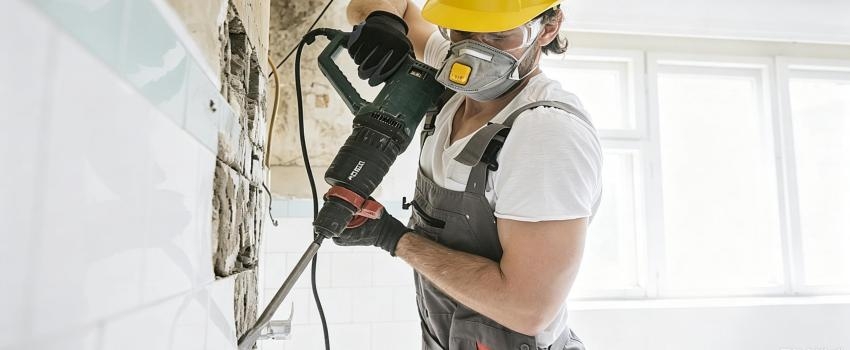
What are the differences in performance between SDS Plus and SDS Max Joule?
Both SDS Plus and SDS Max demolition hammers rely on joules to measure impact power, yet they perform very differently on job sites. Many shoppers get confused over which system fits their work, since their joule ranges overlap to some degree. Beyond raw impact energy, factors like chisel compatibility, weight and continuous‑use capability also create big performance gaps. Understanding these practical differences will help you avoid picking a tool that is either underpowered or overkill for your tasks.
SDS Plus (2–8 Joules)
SDS Plus tools are compact, lightweight, and easier to control.
| Ideal For | Advantages |
| Tile removal | Lower tool weight |
| Plaster removal | Easier overhead operation |
| Small brick repairs | Less user fatigue |
| Light chiseling | Better control for detailed work |
| Occasional concrete touch-ups | Compatible with widely‑available SDS Plus chisel bits |
Best for light chiseling and small fixes. It’s lightweight and easy to handle. Not built for steady concrete breaking.
SDS Max (8–30+ Joules)
SDS Max is the preferred choice for serious demolition applications.
| Ideal For | Advantages |
| Concrete floor breaking | Higher impact energy |
| Brick wall demolition | Larger chisels |
| Masonry removal | Better durability under heavy loads |
| Heavy renovation work | Faster concrete removal |
| Professional construction applications | Handles long‑hour continuous job‑site use |
The go-to choice for serious demolition. It delivers stronger, consistent hits. Perfect for homeowners and contractors doing regular remodel work.
Important Features to Consider Before Buying a Demolition Hammer
Getting the right joule output lays the foundation for good demolition‑hammer performance, yet impact energy alone cannot guarantee smooth work. Many additional practical features directly shape user comfort, day‑to‑day productivity, and the long‑term service life of your tool. Factors such as vibration control, handle design, and internal protective functions may fly under the radar for new buyers, but they make a huge difference, especially during long renovation or construction tasks. Before you finalize your purchase, take time to evaluate these often‑overlooked specifications alongside the joule rating.
Vibration Control
Demolition hammers generate significant vibration because they repeatedly strike hard materials. Without proper vibration reduction, users may experience hand fatigue, reduced working accuracy, and discomfort during long jobs. If you plan to operate the tool for more than 20–30 minutes continuously, choose a model with an anti-vibration system. Professional demolition hammers often include vibration-reduction handles or counterbalance systems to improve user comfort during extended operation.
Tool Weight
Tool weight is another easy‑to‑overlook factor when picking a demolition hammer. Weight directly influences how much control you have and how well the tool performs on different jobs. What works great for floor breaking may become tiring for overhead wall work. Check below to match the tool weight to your typical tasks.
| Light Tools | Heavy Tools |
| Wall chiseling | Floor demolition |
| Overhead work | Concrete breaking |
| Small renovation tasks | Foundation work |
Even high‑joule tools will feel frustrating to use if the weight is a poor fit for your work position. Aim for a balance: heavy enough for downward demolition power, yet light enough to avoid quick operator fatigue on vertical or overhead jobs.
Chisel Selection
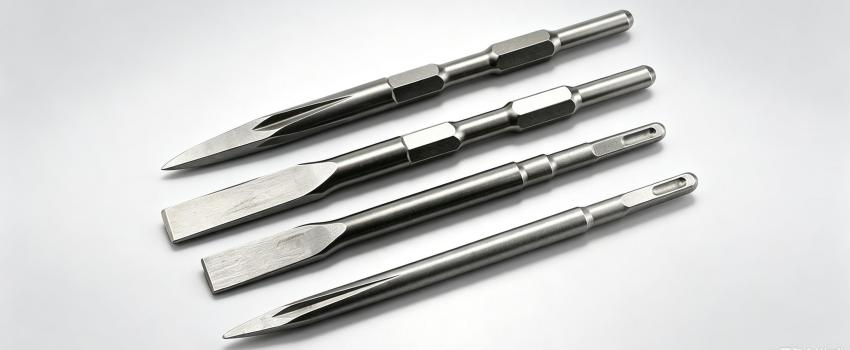
Your demolition hammer’s joule power can only shine when paired with a suitable chisel. Different chisel shapes are built for distinct jobs, and using the wrong bit wastes impact energy. Use this quick reference to pick the right chisel for your task.
| Pointed Chisel | Flat Chisel |
| Breaking concrete | Removing tiles |
| Creating cracks | Peeling surfaces |
| Starting demolition points | Cleaning concrete edges |
Simply buying a powerful hammer won’t deliver top results without the correct chisel. Matching your chisel style to the material saves time, reduces tool wear, and gets the most out of your tool’s impact energy.
Corded vs Cordless Demolition Hammers
The power source is another key point to weigh when picking your demolition hammer. Both corded and cordless designs have clear strengths, and neither option works perfectly for every scenario. Your worksite access, job scale, and runtime needs will decide which one fits you better. Compare the tables below to see their main benefits and ideal‑use cases.
Corded Models
| Advantages | Best For |
| Continuous power supply | Construction sites |
| Suitable for heavy demolition | Professional renovation |
| Better for long working periods | Large concrete projects |
Cordless Models
| Advantages | Best For |
| Portable | Small repairs |
| Easier transportation | Quick jobs |
| No power cable limitation | Locations without easy power access |
Battery‑powered cordless units keep improving, yet they still struggle to match the sustained high-impact energy of corded tools for large‑scale tough demolition work. Always balance mobility needs against the power and runtime your project actually demands.
Conclusion
Choosing the correct electric hammer is not simply about purchasing the highest‑powered machine you can find. Many shoppers make the mistake of chasing the biggest impact numbers, assuming more power always equals better results. In reality, an overly powerful tool can be heavy, hard to handle, and even unnecessary for smaller jobs. More importantly, project success comes from matching its impact energy rating, physical tool size, and real‑world working conditions to the unique demands of your project.
As a quick reference for picking suitable impact energy:
- For simple DIY tasks: Choose 2–7 joules. This range works well for light‑duty jobs around the home, such as minor tile removal and small‑scale breaking work.
- For most home renovation projects: Choose 8–20 joules, ideal for taking down brick walls, removing thin concrete slabs, and typical residential remodel work.
- For heavy concrete and professional demolition: Choose 20–40+ joules, built to handle thick concrete, masonry, and continuous daily jobsite use.
Beyond just joule output, there are multiple key factors you should weigh before making your final decision: Joule rating, SDS system, Tool weight, Vibration control, Chisel type, Working frequency. Taking all these elements into account helps you avoid tools that are either underpowered or over‑specified for your work. When you get every detail matched properly, the right demolition hammer will help you finish faster, reduce physical strain, and achieve cleaner demolition results. Also, Tool.com offers a wider range of high-quality tools for you to choose from. Here, you can select the most suitable product.
Do You Still Want to Know?
Q: Should I look at watts or joules for a demolition hammer?
A: Focus on joules. Watts only show how much power the tool uses. Joules tell you how hard it actually is to break materials. A high‑watt hammer can still lack real breaking force.
Q: Do higher joules always mean a better demolition hammer?
A: No. Higher joules hit harder, but the tool becomes heavier and vibrates more. For light jobs like removing tiles, too many joules will just wear you out.
Q: Can a low‑joule hammer break concrete?
A: It can chip thin concrete layers, but cannot smash solid or thick concrete slabs. You will waste time and strain the tool. Go for higher joules for real concrete breaking.
Q: SDS‑Plus vs SDS‑Max: which one do I need?
A: SDS‑Plus is light for small jobs such as tile and plaster removal. SDS‑Max delivers stronger blows for brick and concrete. Pick SDS‑Max if you are doing serious home demolition.
Q: Is vibration control important on a demolition hammer?
A: Yes. Without it, your hands and arms get numb fast. If you use the tool for more than 20‑30 minutes at a time, choose a model with anti‑vibration features.