
A jigsaw is a versatile power tool that excels at cutting curves, creating cutouts, and making short straight cuts. However, achieving a clean, controlled, and consistently straight line can be challenging, especially when working with longer cuts or thicker materials. If your jigsaw is not cutting straight, the problem is usually not a failed motor or a major tool malfunction. In most cases, crooked cuts are caused by blade deflection, using the wrong type of blade, applying too much feed pressure, an incorrectly aligned shoe, or a workpiece that moves or flexes during cutting.
The good news is that most jigsaw cutting problems are relatively easy to diagnose and fix. By checking the blade, shoe alignment, cutting pressure, workpiece support, and other key factors, you can often improve cutting accuracy without replacing the tool. In this guide, we’ll cover the six most common reasons why a jigsaw won’t cut straight, explain how to identify each problem, and show you practical ways to make straighter, cleaner, and more controlled cuts.
Why Does a Jigsaw Struggle to Cut Straight?
Unlike a circular saw, a jigsaw uses a relatively narrow blade that moves rapidly up and down. This makes it versatile for curves and cutouts, but the blade is also more prone to sideways deflection. Too much forward pressure, resistant material, or an unsuitable blade can cause it to flex and wander from the intended cutting line.
The problem becomes more noticeable during long cuts, where even small amounts of blade movement can gradually affect accuracy. Blade selection, shoe alignment, orbital action, cutting speed, and workpiece support can all influence how straight the cut remains. Understanding these factors makes it easier to diagnose why a jigsaw is cutting crooked and to choose the right fix.
Quick Diagnosis
Before diving into detailed troubleshooting and fixes, use the clear-cutting symptoms below to quickly pinpoint the most likely root cause of your crooked jigsaw cuts. This simple symptom-based check helps you avoid unnecessary technique adjustments or premature tool replacement, letting you diagnose issues accurately and resolve problems fast.
| What you notice | Likely cause | Quick fix |
| Top is straight but bottom is angled | Blade deflection | Use a wider, stiffer blade |
| Cut gradually wanders from the line | Excessive pressure or blade flex | Slow down and reduce pressure |
| Entire cut is beveled | Shoe is not square | Set the shoe to 0° |
| Blade moves sideways | Loose blade or guide roller issue | Check the blade clamp and roller |
| Saw vibrates or jumps | Unstable workpiece | Clamp and support the material |
| Long cut drifts off line | Poor guidance | Use a straightedge or guide |
Use these symptom matches to quickly pinpoint exactly what is causing your jigsaw cutting problem. Once you find the underlying source of the crooked cut, you can use focused, relevant fixes to get cleaner, straighter results with your saw.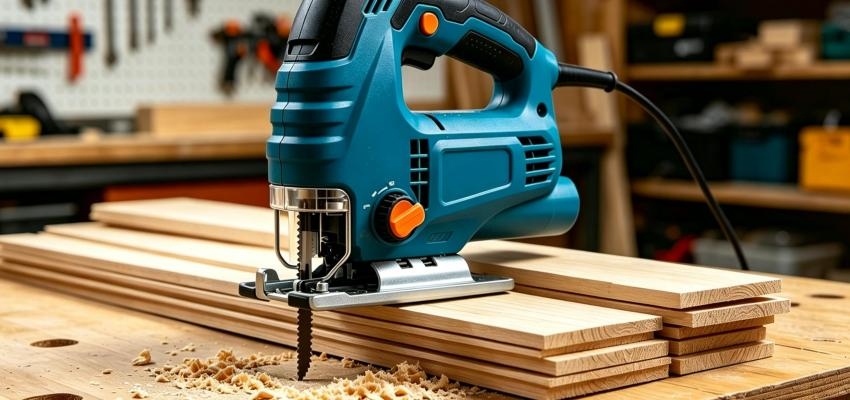
Six Common Reasons Your Jigsaw Won't Cut Straight
A jigsaw is a handy tool for curved cuts and quick trim work, but it’s frustrating when your cut line keeps going crooked. Many people assume the tool is broken, yet most straight-cut issues stem from simple, fixable problems with the blade, setup, or cutting technique. Below, we break down six frequent culprits and show you how to diagnose and resolve each one.
The Blade Is Too Thin, Flexible, or Wrong for the Material
Blade selection is one of the biggest factors affecting straight-cut accuracy. Narrow blades are useful for curves and intricate shapes, but they can flex more easily during a straight cut. For straight cuts, a wider and stiffer blade generally provides better control. Blade thickness also matters because a thicker blade tends to resist sideways deflection better than a very thin one.
TPI, or teeth per inch, should be selected according to the material and the finish you need rather than simply choosing the highest TPI available. Coarser blades can cut wood quickly, while finer blades are often better when you need a smoother finish.
How to fix it:
- Choose a wider, stiffer blade for long or straight cuts.
- Match the blade to the material and its thickness.
- Use narrow blades primarily for curves and detailed cuts.
- Replace blades that are visibly bent or damaged.
Don’t just pick the blade with the highest TPI rating and call it done. The ideal blade balances sufficient stiffness to resist bending, paired with tooth geometry that suits the material you plan to cut. This combination delivers stable, clean cuts far better than choosing based on TPI alone.
The Blade Is Loose, Bent, or the Guide Roller Has a Problem
A properly installed blade should be held securely by the blade clamp. If it has noticeable side-to-side movement, it can wander even when you are using the correct cutting technique. Also, check the guide roller behind the blade. This component helps support the blade during cutting. If it is damaged, stuck, excessively worn, or not functioning correctly, blade control can suffer.
How to fix it:
- Turn off and unplug the jigsaw before inspecting it.
- Remove and reinstall the blade according to the manufacturer's instructions.
- Make sure the blade is fully seated in the clamp.
- Check for obvious side-to-side movement.
- Inspect the guide roller for damage or excessive play.
- Replace a bent blade instead of trying to straighten it.
If the saw continues to wander with a new, properly installed blade and light feed pressure, inspect the clamp and guide mechanism for wear.
The Shoe Is Not Square to the Blade
The jigsaw shoe, also called the base plate, should normally be set at 0° when making a square cut. If the shoe is accidentally set to a bevel angle, the blade will cut through the material at an angle. A small amount of sawdust or debris between the shoe and the workpiece can also prevent the base from sitting flat.
How to fix it:
- Set the bevel adjustment to 0°.
- Clean debris from underneath the shoe.
- Check that the shoe is sitting flat against the workpiece.
- Tighten the shoe adjustment securely.
- If accuracy is important, use a square to check the blade-to-shoe relationship.
If the entire cut sits at a steady angle instead of slowly drifting off your marked line, don’t rush to blame your cutting technique. This consistent bevel is usually a sign of misalignment, not shaky hands. Always inspect the jigsaw shoe first to rule out tilt or trapped debris before adjusting how you guide the tool.
You're Pushing the Jigsaw Too Hard
A jigsaw blade is designed to remove material through its reciprocating motion. It does not need to be forced aggressively through the workpiece.
Excessive feed pressure can bend the blade backward or sideways. Once the blade deflects, the teeth may no longer follow the path you intended.
How to fix it:
- Let the blade do the cutting. Move the jigsaw forward at a steady pace without forcing it.
- If the motor sounds strained, the blade slows dramatically, or you find yourself pushing hard to maintain your line, reduce your feed rate.
- Keep the shoe flat against the workpiece and guide the saw rather than trying to force it into position.
The Workpiece Is Moving or Poorly Supported
Even the best-maintained jigsaw can't deliver an accurate cut if the material shifts while you're working. Loose boards can slide out of place mid-cut, while thin plywood or large sheets tend to vibrate or flex when they aren't properly supported underneath. This constant movement throws off the alignment between the blade and your marked cut line, making it nearly impossible to stay on track no matter how steady your hand is.
How to fix it:
- Clamp the workpiece securely to a stable workbench. Support large or flexible sheets so they cannot sag or vibrate excessively.
- For small pieces, make sure your clamping method does not interfere with the jigsaw shoe or cutting path.
- A stable workpiece not only improves accuracy but also makes the jigsaw easier and safer to control.
The Blade Is Dull or Damaged
A dull blade generates extra friction while cutting, which means you need to apply more force just to keep the saw moving at a steady speed. This added resistance raises the risk of blade deflection and makes your jigsaw wander away from the marked line. Bent, chipped, rusty or otherwise damaged blades create this same unwanted resistance and lead to identical cutting issues.
How to fix it:
- Inspect the blade before cutting. If the teeth look worn, damaged, or uneven, replace the blade rather than trying to compensate by pushing harder.
- Jigsaw blades are relatively inexpensive, so using a fresh blade is often the fastest way to determine whether blade condition is contributing to the problem.
Jigsaw Blade Types & Best Use Cases
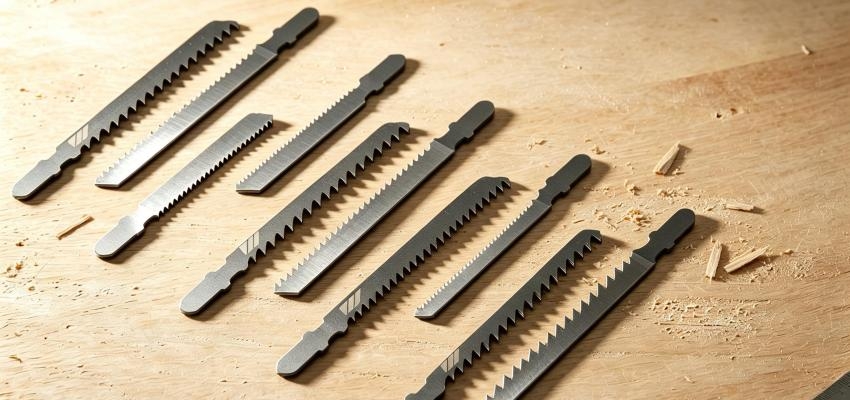
Choosing the correct jigsaw blade directly impacts cut stability and accuracy. Each blade style is built for specific jobs, and picking the wrong one easily causes blade deflection or wandering cuts.
- Wide stiff blades: Thicker and less flexible. Best for straight cuts on wood and plywood. They resist side-to-side bending to keep your cut line on track.
- Narrow flexible blades: Thin and maneuverable. Made for tight curves and intricate cutouts. Avoid these for long straight cuts because they bend easily under pressure.
- Bi-metal blades: Durable and versatile. Works on wood, plastic and thin metal. Great for mixed projects, both gentle curves and general straight cuts.
- High-TPI fine blades: More teeth per inch for smooth, splinter-free edges. Use for finished veneer, thin plywood and precision work. Cuts slower but leaves cleaner surfaces.
- Low-TPI coarse blades: Big, widely spaced teeth. Fast rough cuts in thick softwood. Not ideal for fine straight cuts, as they leave rougher edges.
Does Orbital Action Make a Jigsaw Cut Less Straight?
Yes, it can. Orbital, or pendulum, action adds a forward component to the blade's normal up-and-down movement. This allows the jigsaw to remove material more aggressively and can increase cutting speed, particularly in wood. However, more aggressive blade movement can also make precise cutting harder to control.
For accurate straight cuts, try a lower orbital setting or turn orbital action off. This is particularly useful when working with harder materials or when cut quality is more important than speed. Always follow the settings recommended by your jigsaw and blade manufacturer for the material being cut.
How to Cut a Straight Line With a Jigsaw
For cleaner, more reliable straight cuts with your jigsaw, focus on building a solid setup from the start instead of scrambling to steer the blade back on track once it begins wandering off your marked line. Before cutting, you can refer to the following steps:
- Choose the right blade: Use a blade with sufficient width and stiffness for the material and cut.
- Mark the cut line: Make the line clearly visible and, when appropriate, use masking tape to improve visibility on finished surfaces.
- Secure the workpiece: Clamp the material firmly and support areas that could flex or vibrate.
- Set the shoe to 0°: Check that the base is flat and properly locked.
- Adjust orbital action: Use a lower setting when precision and control are more important than cutting speed.
- Start the blade before entering the cut: Bring the blade up to operating speed before gradually entering the material.
- Use light, consistent pressure: Guide the jigsaw along the line without forcing the blade sideways.
- Use a straightedge for long cuts: Clamp a straight board or other suitable guide parallel to the cutting line and use it to control the jigsaw's path.
When Should You Use a Straightedge or Guide Rail?
Freehand jigsaw cutting works fine for short straight cuts, as long as small imperfections in the line won’t ruin your project. For longer cuts, a clamped straightedge gives you far greater control. It stops the jigsaw from slowly drifting off your marked cutting line as you work.
When you need extra-long, highly accurate straight cuts on sheet stock, a circular saw paired with a guide rail or a track saw is typically a better pick than a jigsaw. While the jigsaw is highly versatile, it cannot deliver the same firm, fixed cutting path offered by a guided circular saw.
Jigsaw vs. Circular Saw for Straight Cuts
Choosing the right tool for straight cuts saves time and delivers cleaner results. While both jigsaws and circular saws are electric saws and they can cut straight lines, each tool has clear strengths and limitations depending on your project type. Use the table below to quickly see which tool fits your cutting task.
| Task | Better choice |
| Curved cuts | Jigsaw |
| Cutouts and openings | Jigsaw |
| Short straight cuts | Jigsaw |
| Long straight cuts | Circular saw |
| Highly precise long cuts | Track saw |
The right tool depends on the job. A jigsaw is an excellent choice when versatility matters, while a circular saw or track saw is usually better when long, straight, repeatable cuts are the priority.
Common Jigsaw Straight-Cutting Mistakes to Avoid
Many DIYers unknowingly repeat these simple errors, leading to blade drift, deflection, and messy cut lines, even after troubleshooting tool issues and blade problems. To consistently get clean, straight jigsaw cuts, it’s important to avoid common bad habits.
This includes skipping proper workpiece support, overfeeding the blade, and using flexible curve blades for straight ripping work. Additionally, relying entirely on freehand guidance for long cuts or continuing to work with dull, damaged blades will always compromise accuracy. By steering clear of these frequent mistakes, you can eliminate most cutting errors and achieve far more reliable results with every project.
FAQs About Jigsaw Straight Cuts
Q: Why does my jigsaw cut straight on top but crooked underneath?
A: This is often caused by blade deflection. A thin or flexible blade can bend during the cut, especially when you apply too much forward pressure. A wider, stiffer blade and slower feed rate can help.
Q: Why does my jigsaw blade keep wandering?
A: Blade wandering can result from excessive feed pressure, an unsuitable or damaged blade, a loose blade clamp, guide roller problems, or an unstable workpiece. Check these factors before assuming the jigsaw itself is defective.
Q: How do I stop my jigsaw from cutting at an angle?
A: First, check the shoe. Make sure it is set to 0° and sitting flat against the workpiece. Then inspect the blade for bending and reduce feed pressure while cutting.
Q: What blade is best for straight cuts?
A: A wider, stiffer blade is generally easier to control for straight cuts. Choose the blade's tooth design and TPI according to the material, thickness, and desired finish.
Q: Should I use orbital action for straight cuts?
A: For maximum control, a low orbital setting or no orbital action is often preferable. Higher orbital settings can make the cut more aggressive and may reduce control.
Q: Can a jigsaw make a perfectly straight cut?
A: A jigsaw can make accurate straight cuts, particularly over short distances. For long, highly precise cuts, however, a straightedge, guide rail, circular saw, or track saw will usually produce more consistent results.
Conclusion
If your jigsaw is not cutting straight, start with the simplest possibilities: check the blade, reduce feed pressure, make sure the shoe is square, and secure the workpiece. Then inspect the blade clamp and guide roller if the problem continues.
For better accuracy, use a stiff blade suited to the material, reduce aggressive orbital action, and use a straightedge for longer cuts. And when a project requires long, highly precise straight cuts, consider using a circular saw or track saw instead. With the right blade, setup, and technique, a jigsaw can produce clean and accurate straight cuts while still giving you the versatility needed for curves and detailed work.
If you're looking for a reliable, powerful, and modern tool that is ready to tackle any project, the electric jigsaw from Tool.com is an excellent choice that balances pro-grade features with outstanding value. Pair it with the right blade and the right technique, and you'll be mastering those curves and cutting clean lines in no time.